Modern Slavery Statement — Commercial Waste Virginia Water
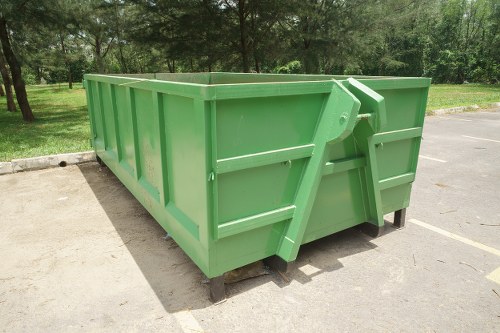 Commercial Waste Virginia Water recognises our responsibility to prevent modern slavery and human trafficking across all areas of our operations. We maintain a zero-tolerance policy toward any form of forced labour, exploitation or human trafficking within our business and supply chain. This statement sets out the steps taken by Commercial Waste services in Virginia Water to identify, prevent and respond to modern slavery risks while delivering waste management and commercial recycling services in the local area.
Our policy and approach
We are committed to ethical operation and to ensuring that all colleagues, contractors and suppliers understand the standards we expect. Our policy is clear: no work should be undertaken where there is evidence of coercion, debt bondage, or exploitative practices. All employees are required to adhere to our code of conduct and to report any concerns immediately. The commercial waste sector in Virginia Water must reflect these standards, and we use procurement processes that emphasise fair labour practices.
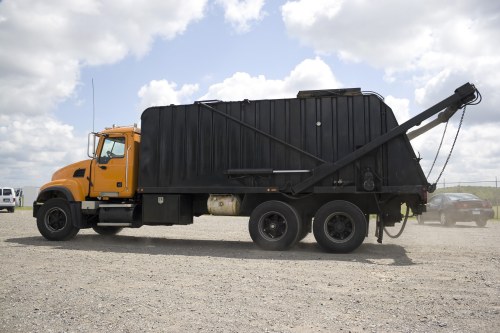 As part of Commercial Waste — Virginia Water governance, we have allocated responsibility for modern slavery compliance to senior management and to our compliance officer. Regular training sessions are run to ensure staff and management can recognise indicators of exploitation. We also require key partners and suppliers to sign our supplier code which includes explicit anti-slavery clauses and a requirement to cooperate with audits and investigations.
Zero-tolerance, audits and supplier controls
Our zero-tolerance policy is actively enforced through contractual obligations and monitoring. We conduct risk assessments of the supply chain for Virginia Water commercial waste activities and prioritise those areas with elevated risk profiles, such as subcontracted labour and vehicles operated by third parties. We will terminate contracts where breaches are substantiated and remedial actions are not agreed.
 Supplier audits are an integral part of our approach. We carry out a combination of documentary checks and on-site assessments to verify compliance. Audit activities include:
- Verification of employment records and right-to-work documentation
- Review of payroll processes and payment practices
- Interviews with workers where feasible to confirm voluntary employment
- Assessment of subcontracting chains for hidden risks
Where audits identify concerns, we require action plans with clear deadlines. We work collaboratively with suppliers to implement corrective measures, but will remove suppliers who fail to meet minimum standards or who do not cooperate with investigations into suspected exploitation.
Reporting channels are available to all staff, contractors and supply chain workers. We operate multiple confidential reporting routes so that concerns about modern slavery can be raised safely and without fear of retaliation. These channels include anonymous reporting mechanisms, secure email reporting to our compliance team and escalation to senior management. All reports are taken seriously and investigated promptly; appropriate disciplinary or contractual actions are applied where necessary.
 Training and awareness form a continuous cycle of improvement. We provide targeted training for procurement teams, site managers and frontline staff involved in commercial waste services in Virginia Water, ensuring they can identify red flags and know how to respond. We also communicate expectations to new suppliers at onboarding and reinforce requirements through periodic communications.
 Monitoring and continuous improvement underpins our programme. We review the effectiveness of our controls through regular performance metrics, incident reviews and feedback from audits and investigations. Our approach is both preventative and responsive, focused on protecting individuals and maintaining ethical standards across the Virginia Water commercial waste supply chain.
We will review this statement annually to reflect changes in our business, supply chain and the regulatory environment. The annual review will examine the adequacy of our policies, the outcomes of audits, the effectiveness of reporting channels and the progress of remediation plans. Where necessary, we will update our procedures, enhance training and increase audit coverage.
Commercial Waste Virginia Water remains committed to eradicating modern slavery from our operations and those of our suppliers. Our commitment is operationalised through clear governance, supplier audits, multiple reporting channels and an annual review cycle that drives continuous improvement. This statement represents how we, as a responsible provider of commercial waste management in Virginia Water, address modern slavery risks and safeguard the rights and dignity of all workers involved in our services.
We expect all partners in the commercial waste and recycling sector in Virginia Water to join us in this commitment, working together to identify issues early, remediate harm, and prevent future instances of exploitation.
