Complaints Procedure for Commercial Waste Virginia Water
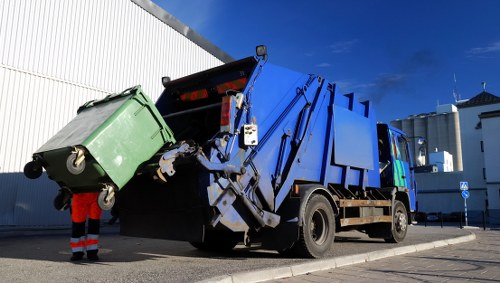 This document sets out the Complaints Procedure for commercial waste services in Virginia Water. It explains how businesses and organisations can raise concerns about their commercial waste collections, disposal, recycling or related customer service. The aim is to provide a clear, fair and timely approach so issues are resolved efficiently and lessons are learned to improve future rubbish collection for businesses in Virginia Water and surrounding service areas. We encourage early reporting of problems so corrective action can be taken without delay.
The scope of this complaints policy covers commercial waste, including trade refuse, container servicing, skip deliveries and scheduled collections. It applies to complaints about missed collections, contamination charges, health and safety concerns, vehicle incidents and service quality for commercial rubbish services. It does not replace statutory appeals or formal legal routes; instead it provides an operational path to resolve day-to-day service issues. Anyone acting on behalf of a business may raise a complaint, provided they have authority to do so.
 When you lodge a complaint about commercial waste Virginia Water operations, you should provide clear details: the business name, date and time of the incident, location, reference numbers where available and a brief description of the concern. Complaints can be about contractors, third-party partners or company staff involved in the commercial rubbish collection process. All reports will be recorded and given a unique reference to allow tracking through the investigation and resolution stages.
How to make a complaint and what to expect
Complaints are handled through a structured process to ensure consistency. Initial acknowledgement will be issued promptly and an assessor will be allocated to determine the complaint category and priority. Where the issue involves safety, contamination or environmental risk, the response will be expedited. The complainant will be advised of expected timeframes and will be kept informed of progress through each stage of the investigation. The following steps outline the typical procedure:
- Step 1: Acknowledge receipt within a set working timeframe and assign a reference.
- Step 2: Assess and categorise the complaint to decide the priority and required investigation.
- Step 3: Investigate by reviewing records, contacting involved parties and, if necessary, inspecting the collection site.
- Step 4: Propose a resolution, which may include remedial action, service credits or process change to prevent recurrence.
- Step 5: Confirm closure after the complainant is satisfied or after escalation options have been exhausted.
The investigation phase will gather factual information from drivers, operatives, depot logs and any monitoring systems. Where contamination or incorrect segregation of commercial waste is claimed, photographic evidence and chain-of-custody documentation will be reviewed. The process is designed to be impartial and transparent, and findings will be documented. If the complaint relates to billing, charging for additional services or applied penalties, records and contractual terms will be examined to ensure charges were applied correctly and proportionately.
Timescales and escalation
We aim to resolve straightforward matters rapidly and more complex cases within a reasonable period. Expect an initial response within the first few working days and a substantive update within a defined number of working weeks depending on complexity. If you are not satisfied with the proposed resolution, an escalation route is available: the complaint can be reviewed by a senior service manager or an independent internal reviewer to ensure fair assessment. If an investigation identifies a breach of service standards or operational failure, corrective action will be taken and recorded. This may include retraining, revised procedures, operational adjustments or compensation where appropriate. Records of corrective actions form part of service improvement cycles and are used to monitor recurring issues. Continuous improvement is a core element of the procedure, helping to reduce future incidents and improve the reliability of commercial waste collections.
 Records and privacy considerations are important: complaint records are retained to meet internal governance and quality assurance needs, while ensuring data is handled in line with relevant data protection standards. Information gathered during a complaint is used only for the purposes of investigating and resolving the issue, improving services and reporting on trends. Personal data will not be published or used for any other purpose without explicit consent.
Final outcomes will be communicated clearly, specifying what has been found, any remedial steps taken and what measures will be put in place to avoid recurrence. The outcome communication will also outline any remaining rights the business may have, such as further internal review, independent arbitration or formal dispute resolution where contractual terms allow. While the complaints procedure aims to be decisive, it also preserves impartial escalation where required.
In summary, this complaints procedure for commercial rubbish and commercial waste services in Virginia Water establishes a clear, documented and timely approach for handling issues raised by businesses. It stresses responsiveness, evidence-based investigation, and continuous improvement. The process helps protect the integrity of commercial waste operations while ensuring that service issues are resolved fairly and lessons are fed back into operational practice.
