Commercial Waste in Virginia Water

Commercial waste in Virginia Water needs a service that is organised, lawful and straightforward for busy premises. We collect and remove business rubbish from shops, offices, hospitality settings and other workplaces, with the aim of keeping your premises clear and your waste stream under control. The work can include recurring collections or one-off clearances, depending on the volume and type of material that needs moving.
Our approach is practical: separate what can be recycled, handle mixed waste with care and remove it without creating disruption to the working day. If you are planning an office clear-out, dealing with general commercial rubbish or arranging regular collections, it helps to know which service fits the material. Use the sections below to compare the main options and decide what you need before you request a quotation.
We focus on clear communication, predictable collection arrangements and sensible handling of the waste presented. If your business produces cardboard, packaging, furniture, fixtures or mixed rubbish, we can help identify the right route for disposal. Start with the type of waste and the amount you want removed, then ask for a quote based on the most suitable service rather than guessing at the nearest match.
Business waste removal for ongoing premises
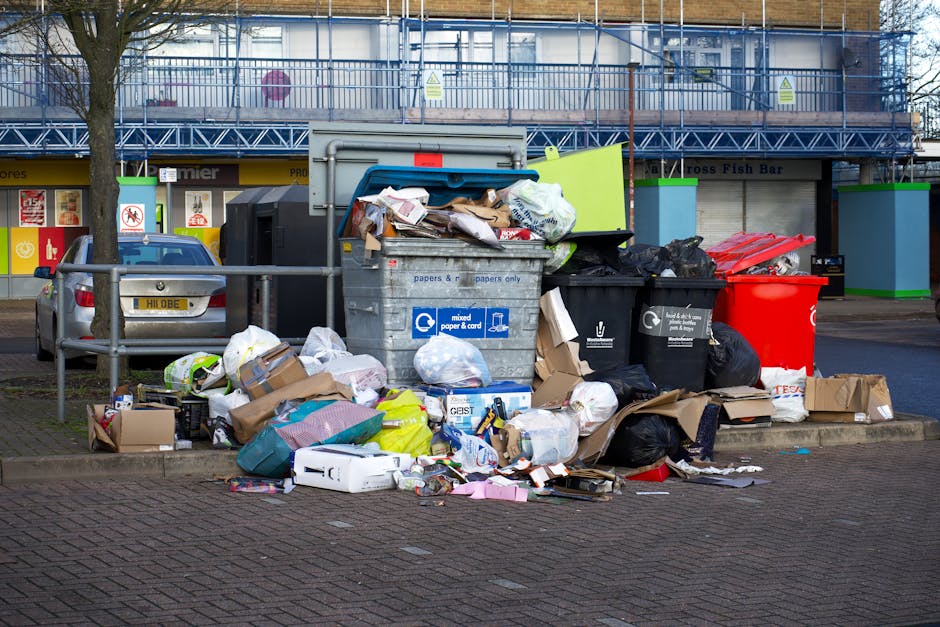
Business waste removal is the core service for premises that produce regular rubbish as part of day-to-day trade. That may include bagged waste from offices, packaging from retail stock, disposable materials from customer areas or mixed non-hazardous rubbish that builds up over the week. The aim is to keep the waste moving on a consistent schedule so it does not take over storage space or create an untidy back-of-house area.
Where a business needs continuing support, the important choices are collection frequency, waste segregation and access. A simple set-up might involve routine removal of general waste alongside recyclables, while a more involved arrangement may be needed if the premises generate varied materials across several departments. If you are still deciding, it is usually best to group similar waste together so the collection can be planned more efficiently.
Useful business waste decisions often start with the basics:
- how much waste is produced in a normal week
- which items are recyclable and which are mixed rubbish
- whether waste is stored indoors, outside or in a loading area
- how collections should fit around opening hours or deliveries
- whether your premises need an occasional uplift or a regular route
Commercial clearances for larger one-off jobs

Commercial clearances are suited to bigger changes, such as office moves, refurbishments, stockroom resets or the removal of bulky business items. Rather than treating everything as ordinary weekly rubbish, a clearance is planned around the contents that need to be taken away in a single visit or a short series of visits. That can help when a workplace has accumulated old furniture, redundant fittings or mixed items that need sorting before the space can be reused.
These jobs often need a bit more structure than routine waste collection. There may be furniture to dismantle, access to plan around desks or shelving to move, and separate handling for items that should not be mixed with general rubbish. We can remove business waste in a way that keeps usable circulation space open and allows the remaining area to be left ready for cleaning, fit-out or reoccupation. A clear description of the contents is usually enough to shape the job properly.
For clearances, quotation requests are easier to assess when you note whether the waste is loose, stacked or still in place, and whether there are stairs, lifts or shared access points. That does not need to be complicated; it just helps match the visit to the job. Tell us what needs to go and how the items are arranged, then we can point you towards the most suitable commercial clearance option.
Office waste and workplace items
Office waste can include a broad mix of paper, cardboard, packaging, obsolete equipment and furniture that has reached the end of its useful life. A workplace clearance is often less about “rubbish†in the everyday sense and more about removing items that no longer belong in the working environment. Desks, chairs, cabinets, storage units and worn-out office fixtures can all be part of the same removal plan if they are no longer required.
Where office materials are involved, the key is to distinguish between general waste, recyclable material and items that need separate handling. Cardboard and paper may form one stream, while furniture and fixtures form another. If there is confidential material in the mix, it should be identified clearly so that it is not left to chance. Careful planning keeps the process simple and helps avoid unnecessary handling of items that should be treated differently.
When office waste is mixed with furniture, it is often best to arrange the job by zones. Reception areas, meeting rooms, workstations and storage rooms may all contain different contents, and each can be described separately in a quotation request. That makes it easier to judge the lifting involved and the amount of material to be removed. It also helps if the space includes heavy filing cabinets, large tables or awkward items that need two-person handling.
Recycling, segregation and responsible disposal

Good commercial waste management is not only about taking items away; it is also about separating what can be recycled from what must go to general disposal. Many businesses generate cardboard, packaging, plastics, metals and clean office material that are better kept apart from mixed refuse. When these streams are identified early, the collection can be planned in a way that is more orderly and easier to manage.
Recycling works best when the waste is presented sensibly. Flattened cardboard, grouped paper, separated scrap metal and clearly identified reusable or non-reusable items make the process more efficient than a loose pile of mixed material. That said, not every business has the space to sort everything fully on site, so the collection method should suit the way your premises operate. The point is to handle the waste properly without turning the job into a disruption.
Some customers want a straightforward uplift of mixed commercial rubbish; others want to keep recyclables distinct wherever possible. Both approaches can be reasonable, depending on the materials involved and the way the premises are set up. If you want the collection arranged sensibly, think first about whether the waste is mostly cardboard, general rubbish, furniture, or a combination of these. The clearer the categories, the easier the removal plan becomes.
Bulky items, fixtures and fittings
Bulky commercial items need a different approach from bagged waste because their size, weight and shape affect how they are moved. Furniture, shelving, counters, display units and similar fittings may have to be taken apart or carried carefully through tight corridors and doorways. This is where a removal plan benefits from knowing which items are fixed, which are freestanding and which can be dismantled before collection.
Bulky work is often about making the clearance manageable. A few large items can take as much planning as many smaller bags, especially when access is restricted or lifting is awkward. We can help remove substantial items from business premises so they do not remain in the way longer than necessary. If you are renewing a room layout or replacing old stockroom equipment, it is sensible to group the bulky pieces together and treat them as a separate part of the job.
When asking for a quotation, a simple list of items is useful, but so is the context around them: are they upstairs, do they need dismantling, and will they fit through standard access points? These details help match the collection to the actual work involved instead of relying on assumptions. The result is usually a more accurate estimate and a smoother removal day.
Hazardous and specialist materials
Not every commercial waste item can be treated in the same way as general rubbish. Some materials need specialist handling, and others may need to be separated entirely from ordinary business waste because of the way they are classified or stored. If your premises generate unusual items, it is important to identify them early rather than adding them to a general clearance without checking.
Specialist waste can include materials that require careful containment, separate movement or a more limited collection option than standard rubbish. The right service depends on the exact material, its condition and how it is presented. If you are unsure whether something belongs in the regular business waste stream, describe it clearly when requesting a quotation so that the collection can be matched to the item rather than guessed.
For businesses that handle a mixed back-of-house environment, a practical approach is to separate ordinary waste, recyclable items and anything potentially specialist before collection day. This helps avoid confusion at the point of removal and makes the overall process safer and tidier. Where a material needs particular treatment, clarity matters more than volume. One correctly described item can change the way the whole job is organised.
About Virginia Water
Virginia Water is a village and civil parish in Surrey, best known for the large ornamental lake and landscaped parkland that share its name. The area lies close to the edge of Windsor Great Park, and that association has shaped its identity for generations. The water body, created in stages during the eighteenth century, became part of a wider designed landscape that included walking routes, wooded sections and decorative features intended for leisure and display. Much of the place’s character still comes from that setting: broad tree cover, formal estate landscapes and quiet residential streets rather than a compact town centre. The railway station, opened in the nineteenth century, helped connect the settlement more closely with London and surrounding parts of Surrey, while the village itself developed as a place with a distinctly suburban and semi-rural feel. Within the wider locality, visitors and residents encounter a mix of older houses, later detached properties and roads that sit beside parkland or woodland edges. The Virginia Water lake remains the best-known landmark, but the area also has strong links to the wider Windsor Great Park landscape and to nearby routes that attract walkers and cyclists. Its setting gives it a calm, spacious character, with the water, trees and avenues of the park forming the most recognisable parts of the local scene.
Planning a commercial collection
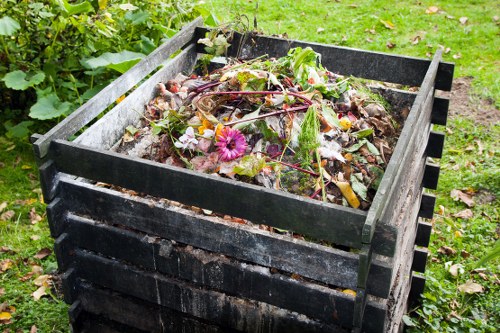
Planning a collection well usually means understanding the waste before the visit rather than after it. A clear inventory of the main items, approximate volume and access conditions can make the quotation stage simpler. This is especially true for mixed commercial waste, where one pile may contain paper, packaging, light fittings, shelving offcuts and damaged furniture all together. A short description of the contents is often enough to shape the job correctly.
It also helps to think about timing in practical terms. Some premises are easiest to work on before opening, during a quiet period or after trading has ended, while others have access arrangements that need to be coordinated with reception, facilities or site management. If the collection point is difficult to reach, it is worth mentioning that at the outset. Small details can save avoidable back-and-forth later, particularly where parking, lifts or shared entrances are involved.
When a business is arranging waste removal for the first time, the best starting point is often a simple written note with the type of waste, the location of the items and any limits on access. Then you can decide whether the job is an ordinary recurring collection, a one-off clearance or a more specialised removal. Keep the description factual and concise; it is usually enough to produce a sensible quotation request.
Pricing factors and quotation details
Commercial waste pricing depends on the type of material, the amount to be removed and the amount of labour needed to move it. A small pile of bagged rubbish is not the same as a roomful of desks, shelving or mixed contents. Size alone does not tell the full story; the route through the premises, the need for dismantling and the handling required for bulky items can all affect the overall job.
Where different waste streams are involved, it can be helpful to separate them before requesting a quotation. General rubbish, cardboard, furniture and specialist material may each affect the removal plan in different ways. The more accurately the contents are described, the easier it is to match the service to the actual work. If your business has a recurring pattern of waste, a quote can be shaped around that routine rather than a single ad hoc collection.
Commercial customers often want a simple answer to a practical question: what will need to be moved, and how much of it is there? That is a fair approach. Give the waste type, the approximate quantity and any access notes, and you will usually have enough information to request a proper quotation. Accurate details matter more than long explanations when the goal is a clear estimate.
Book a suitable waste removal service
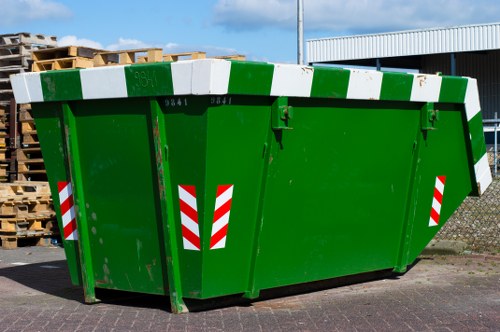
Whether you need ongoing business waste removal, a one-off commercial clearance or help with bulky office items, the right service depends on the materials and the layout of your premises. A good quotation request focuses on the contents first and the collection method second. That keeps the process practical and helps you avoid paying for a service that does not fit the job.
If you are comparing options, start with the page that best matches the waste you need removed, then refine the details around quantity, access and timing. For many businesses, that is the quickest route to an accurate plan and a tidy result. Review the service that fits your premises and gather the basic job details before you ask for pricing; it makes the next step easier for everyone involved.
To get started, send through the waste type, the amount involved and any access information, then ask for a quotation on the most suitable commercial collection. If you are ready to proceed, use the contact page and request a quote today.