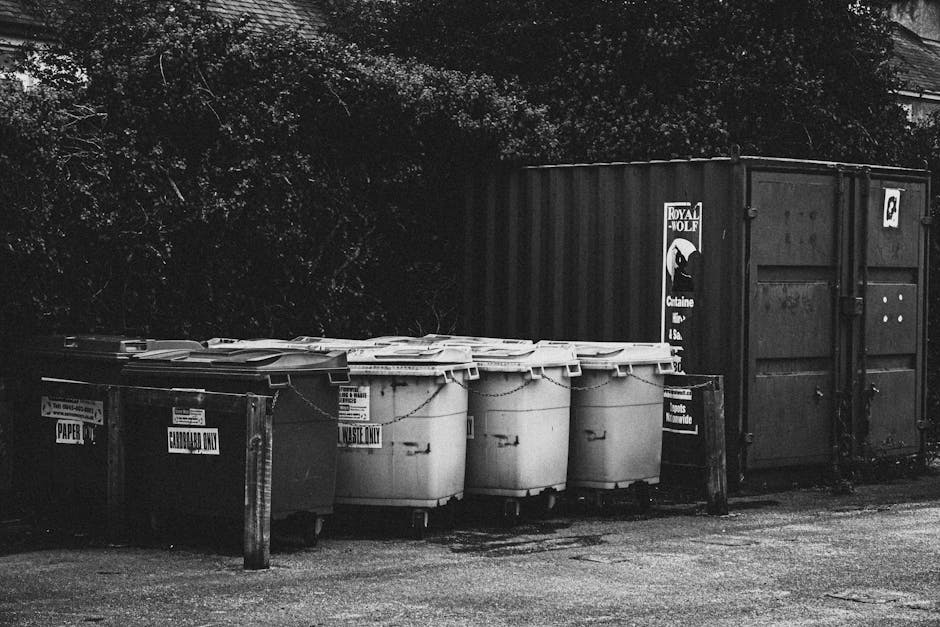
What to know about Runnymede Borough Council rubbish rules
If you live or work in the borough, rubbish collection probably only becomes interesting the moment something goes wrong. A missed bin day. A sofa that will not fit in the boot. A cardboard mountain after a move. Suddenly, the rules matter quite a lot. This guide on What to know about Runnymede Borough Council rubbish rules explains the basics in plain English, plus the practical details people usually need when they are trying to stay compliant, avoid contamination, and get waste out of the way without fuss.
The aim here is simple: help you understand how local rubbish disposal normally works, what the council expects, where people get caught out, and how to choose the right next step. If you have ever stood by the window on collection morning wondering whether that extra bag is acceptable, you are in the right place.
And yes, rubbish rules can sound boring right up until the day they are not. Then they are very interesting, very quickly.
Why What to know about Runnymede Borough Council rubbish rules Matters
Local rubbish rules are not just admin. They shape whether collections run smoothly, whether waste gets recycled properly, and whether you avoid unnecessary delays or extra costs. In a borough like Runnymede, the day-to-day practicalities matter: bin capacity, sorting, food waste, garden waste, bulky items, and whether certain materials should be separated before they are put out.
For households, the biggest benefit is straightforward. You reduce the chance of rejected bins and avoid the stress of dealing with overflowing bags. For landlords, tenants, and small businesses, it is a bit broader. Good waste habits help keep properties tidy, reduce complaints, and stop issues from building up into something messier. Literally and otherwise.
There is also a quiet environmental point here. If recyclable items go into the wrong bin, the whole load can be affected. That means more waste headed in the wrong direction, which nobody wants. A cleaner, better-sorted system helps everyone, even if it is not the most thrilling part of a Tuesday morning.
To be fair, most problems are not caused by bad intentions. They happen because people are rushed, unsure, or dealing with a pile that grew faster than expected. That is why understanding the local rules early is so useful.
How What to know about Runnymede Borough Council rubbish rules Works
At a practical level, rubbish rules usually cover what can go in each container, when collections happen, how waste should be presented, and what happens with items that do not fit the standard household bin routine. While the exact arrangements can vary by property type and service type, the pattern is familiar across UK councils.
Most households need to think about a few separate waste streams:
- Residual rubbish - items that cannot be recycled through the usual kerbside system.
- Recycling - clean, accepted materials that should be kept separate from general waste.
- Food waste - where a dedicated collection is provided or expected.
- Garden waste - often treated differently from standard household rubbish.
- Bulky waste - larger items like furniture, mattresses, appliances, or garden furniture.
That sounds simple, but real life is never neat. A broken chair may be bulky waste one day and plain rubbish the next, depending on whether it can be collected through a normal service, dismantled, or handled as a special item. A flattened cardboard box may be perfectly recyclable, while the greasy takeaway tray next to it may not be. Small difference, big impact.
If you are already planning a home clear-out, it can help to think of the rubbish rules as a sorting system rather than a punishment system. That shift makes decision-making easier. You start asking: what is this item made of, is it clean, is it reusable, and does it need a special collection? Simple questions. Surprisingly effective.
For larger clearances, many residents also compare council options with other local disposal services. Pages such as waste removal and house clearance can be helpful if you need a broader removal solution, especially when the pile includes mixed items that are awkward to move one by one.
Key Benefits and Practical Advantages
Knowing the rubbish rules properly gives you more control than most people realise. It saves time, reduces waste, and makes the whole process less chaotic. A few of the biggest practical benefits stand out.
1. Fewer missed or rejected collections
If the wrong material is in the wrong bin, collection crews may leave it behind. That can mean smelly overflows, extra trips, and a bit of unnecessary frustration. Clear sorting avoids all that.
2. Better use of space
Good waste habits stretch the life of your bins. Flattened cardboard, separated recyclables, and properly bagged general rubbish make a noticeable difference when space is tight. You will notice it most on busy weeks, like after a house move or family gathering.
3. Lower risk of nuisance and complaints
Overflowing sacks and badly placed items can attract complaints from neighbours, especially in shared access areas. Managing waste properly keeps paths, pavements, and bin stores cleaner and calmer. It is one of those small things that keeps everyone friendlier.
4. Easier recycling decisions
When you know the local approach, you do not have to second-guess every packet or box. That saves time at the bin and makes recycling feel less like a guessing game.
5. Better planning for bulky or unusual items
Not everything belongs in the weekly collection. When you understand which items need a separate route, you can plan ahead and avoid last-minute panic. That matters if you are clearing a loft, replacing a mattress, or dealing with broken appliances.
Practical takeaway: the best rubbish routine is the one you can repeat without having to think too hard every week. Clear sorting habits beat last-minute improvisation every time.
Who This Is For and When It Makes Sense
This topic matters to far more people than you might think. Households, tenants, landlords, letting agents, shop managers, office staff, and anyone responsible for a property in Runnymede all have a stake in getting waste disposal right.
It is especially relevant if you are:
- moving home and dealing with leftover items
- trying to keep up with regular household collections
- disposing of bulky furniture or appliances
- managing a garden clearance after a big tidy-up
- running a business with regular waste output
- sorting shared bins in flats or converted properties
- trying to keep costs down by reducing avoidable removals
There is also a timing angle. You may not need to think much about rubbish rules until spring cleaning, renovation, tenancy changeovers, or a big event. Then, suddenly, the volume doubles and the margin for error gets smaller. That is usually when people start searching for answers.
If you are handling business waste, the expectations can be a bit more structured. A small office, for example, may need separate arrangements for confidential papers, packaging, electrical items, or regular mixed waste. In those cases, business waste removal and confidential shredding may be more practical than trying to force everything into the general household rhythm.
Truth be told, the ideal solution depends on volume, item type, and how quickly you need the space back. That part is very real. A cluttered hallway is not the same as a single bin bag.
Step-by-Step Guidance
If you want to stay on the right side of local rubbish rules, it helps to work through a simple process. No drama, just a steady method.
Step 1: Sort items by type
Separate general waste, recycling, food waste, garden waste, and bulky items first. Do not mix materials together just because they are all leaving the house on the same day. It sounds obvious, but in a rush, people absolutely do this.
Step 2: Check what is accepted
Look carefully at the item in front of you. Is it clean enough to recycle? Is it reusable? Is it electrical, upholstered, or hazardous? A cracked bucket and a paint tin are not the same thing, even if they both look like "rubbish" from across the room.
Step 3: Prepare waste properly
Bag rubbish securely. Flatten boxes. Remove loose liquids. Keep sharp edges covered. For furniture or appliances, make sure they are safe to move and do not contain hidden contents. A fridge, for instance, needs more care than a cardboard box.
Step 4: Decide whether standard collection is enough
If it is a normal household item and fits the collection rules, great. If it is oversized, awkward, or in poor condition, you may need a separate bulky waste route or a removal service. For mattress and sofa items, pages like mattress and sofa disposal or furniture disposal can be more suitable.
Step 5: Book or schedule the right collection
If a special collection is needed, do not leave it until the day before. Slots fill up, and bulky waste rarely becomes less bulky with time. A sofa in the hallway has a funny way of reminding you it is still there.
Step 6: Place items out correctly
Follow any rules about presentation, access, timing, and location. Keeping the path clear helps crews work efficiently and reduces the chance of items being missed.
Step 7: Keep proof and note details
If you have booked a service, save the confirmation. If there is an issue, you will be glad you did. Nothing glamorous about that, but it is practical.
Expert Tips for Better Results
After enough clear-outs, a few habits stand out as consistently useful. They are small things, really, but they make the whole process smoother.
- Do a five-minute sort before collection day. It is easier than trying to fix mistakes after the bin is already out.
- Keep a separate "not sure" pile. That way, uncertain items do not contaminate the rest of the load.
- Break down bulky items where safe. Dismantling a flat-pack frame or collapsing cardboard saves a surprising amount of space.
- Watch for hidden problem items. Batteries, paint, aerosols, and electricals often need special handling.
- Use the right service for the right job. A garden tidy-up is not the same as an office clearance. Obvious, yes. Still often missed.
Here is a simple rule of thumb: if an item could damage equipment, leak, smell strongly, or contain sensitive information, pause before you throw it out. You may need a different route. That caution pays off.
If you want to reduce waste at source, the sustainability side matters too. Reuse, donate, repair, and recycle before you dispose. It sounds a bit earnest, I know, but it genuinely cuts down what ends up in the bin. A few items can often be given a second life instead of being hauled away the hard way.
For mixed household clutter, the pages on home clearance, flat clearance, and garage clearance are useful if you need to compare what level of help fits the mess in front of you.
Common Mistakes to Avoid
The most common waste problems are not usually dramatic. They are small mistakes repeated under pressure. A little care goes a long way.
Mixing the wrong materials
Recycling bins are not general "everything else" bins. Food residue, plastic film, broken glass, and non-recyclable packaging can cause problems. Clean and separate is the safer approach.
Leaving bins overloaded
If a bin lid will not close, that is often a warning sign. Overfilled bins may be left behind, and loose waste can blow around. On a windy day, that becomes everyone's problem.
Ignoring bulky items until they become urgent
That chair in the hallway? It tends to stay in the hallway longer than intended. Plan bulky disposal early rather than waiting for the "I'll deal with it later" moment to become a trip hazard.
Forgetting about special waste
Electrical items, fridges, batteries, chemicals, and other awkward materials often need separate handling. Pushing them into the wrong bin is not just inefficient; it can be unsafe.
Assuming all clearances are the same
A shed clearance, a loft clear-out, and a business office disposal all involve different risks and expectations. Treating them the same is where mistakes creep in.
Tools, Resources and Recommendations
You do not need a complicated toolkit to manage rubbish well, but a few simple resources make life easier.
- Labels or marker pens: useful for marking "recycle," "keep," "charity," and "waste" piles during a clear-out.
- Strong sacks or boxes: keep contents contained and easier to move.
- Gloves: especially helpful when handling sharp, dusty, or awkward items.
- A simple calendar reminder: ideal for collection days, bookings, and deadlines.
- Camera on your phone: a quick photo helps if you need to remember what has already been sorted or agreed.
For larger jobs, it can be helpful to compare routes before you start. If you are dealing with furniture, appliances, or a whole room of clutter, services such as furniture clearance, fridge and appliance removal, and loft clearance may fit better than trying to manage everything through standard bins.
If you are looking for general company information, it can also help to understand who you are dealing with. The about us page gives a useful sense of the business behind the service, while pricing and quotes can help you compare options in a more structured way. And if you want to start directly, book online is the most straightforward route.
Law, Compliance, Standards, or Best Practice
Waste disposal is one of those everyday topics that quietly overlaps with law, safety, and good practice. You do not need to memorise regulations to act responsibly, but you do need to avoid a few common compliance pitfalls.
For households, the main point is usually simple: put waste in the correct container, present it properly, and keep hazardous or specialist items separate. For businesses, the bar is often higher. Commercial premises typically need clearer systems for segregation, storage, documentation, and safe handling. Confidential materials may require shredding. Certain items may need specialist disposal. And some waste should never be mixed with general rubbish at all.
Best practice also includes health and safety. Heavy items should be moved carefully. Sharp objects should be wrapped or boxed. Damp waste should be managed so it does not leak or create nuisance. If a load smells, leaks, or contains unknown substances, that is your cue to stop and reassess.
It is also wise to choose providers that can show they take safety seriously. Details such as health and safety policy, insurance and safety, and recycling and sustainability are useful signs that the service is run with proper care, not just speed.
And, because this always gets overlooked, keep an eye on privacy too. Old paperwork, labels with personal information, and records from an office or home office should be handled carefully. A bin bag is not a privacy strategy. Would that it were that easy.
Options, Methods, or Comparison Table
There is rarely just one way to deal with rubbish. The best choice depends on volume, item type, urgency, and how much effort you want to put in yourself.
| Option | Best for | Pros | Watch-outs |
|---|---|---|---|
| Standard council collection | Routine household rubbish and accepted recycling | Simple, familiar, usually low effort | Limited by bin size, sorting rules, and collection schedules |
| Bulky waste collection | Large items like sofas, mattresses, or appliances | Convenient for awkward items | May require booking and item limits |
| Self-delivery to a disposal site | Residents who can transport items themselves | Flexible and direct | Needs time, transport, and careful sorting |
| Professional clearance service | Large clear-outs, mixed loads, or time-sensitive jobs | Fast, less physical work, helpful for mixed waste | Usually costs more than doing it yourself |
There is no single "best" route for everyone. A lone mattress is not the same as a house full of mixed clutter after a move. That distinction matters. If you are dealing with a heavier job, the difference between simply removing waste and properly clearing a space can be huge.
For example, someone emptying a garage may do fine with a staged sort, while a landlord with a property handover deadline may need a quicker, more comprehensive option. Different problem. Different answer.
Case Study or Real-World Example
A fairly typical scenario: a family in Runnymede finishes a long-overdue declutter before school holidays. There is a broken garden chair, a couple of bags of old toys, several flattened boxes, a mattress, and a pile of forgotten bits from the loft. At first glance it feels like a single rubbish job. In reality, it is four or five different disposal decisions.
They sort the boxes for recycling, keep reusable toys aside for donation, separate the mattress as a bulky item, and identify a few electrical bits that should not go in general rubbish. The garden chair is checked and dismantled where safe. What looked like one overwhelming mess turns into a manageable set of smaller tasks.
The key change was not effort, really. It was order. Once the family knew which item belonged where, the whole thing became calmer. Less guesswork, less hauling things around twice, and no last-minute panic on a rainy collection morning. You could almost hear the relief when the hallway was finally clear.
That is the heart of local rubbish rules: they save time by forcing the right kind of sorting before disposal. Annoying for five minutes. Helpful for the whole week.
Practical Checklist
Use this quick checklist before you put rubbish out or book a clearance.
- Have I separated recycling from general waste?
- Have I checked whether any item needs special handling?
- Are bags sealed and bins not overfilled?
- Have I flattened cardboard and removed unnecessary packaging?
- Are electricals, batteries, and sharp items kept apart?
- Do bulky items need booking or a separate service?
- Have I checked access so collections can happen safely?
- Am I confident nothing confidential is being thrown away by mistake?
- Have I kept a note or photo of what I am disposing of?
- Have I chosen the most practical route for this specific load?
If you can tick most of those off, you are already doing better than many people. Honestly, that is most of the battle.
Conclusion
What to know about Runnymede Borough Council rubbish rules comes down to one simple idea: sort waste properly, use the right collection route, and do not leave awkward items until they become a problem. Once you understand the difference between routine rubbish, recycling, bulky waste, and specialist items, the whole process becomes far less stressful.
The real win is not just compliance. It is ease. Cleaner bins, fewer surprises, less clutter, and a home or workplace that feels under control. That is worth a bit of attention.
If your rubbish job is bigger than a standard bin day, take a moment to compare your options and choose the route that fits the job properly. A little planning now can save a lot of lifting later.
Get a free quote today and see how much you can save.
Frequently Asked Questions
What are the main things I should know about Runnymede Borough Council rubbish rules?
The main things are how to separate general waste from recycling, what counts as bulky waste, and how to present bins or sacks correctly for collection. The practical aim is to reduce contamination and make collections run smoothly.
Can I put all household rubbish in one bin if I am in a hurry?
Usually not, and it is a risky habit. Mixed waste can cause rejected collections or reduce recycling quality. A quick sort is worth the few extra minutes.
What counts as bulky waste?
Bulky waste is typically larger household items that do not fit normal bin collections, such as sofas, mattresses, wardrobes, or large appliances. Different items often need different disposal routes, so check the item category first.
What should I do with electrical items?
Electrical items should be handled separately from general rubbish. They often need dedicated recycling or removal because of internal components, wiring, and safety issues. Do not assume they can go in with mixed household waste.
Can I leave extra bags beside the bin?
Sometimes extra bags are not accepted, especially if they are not properly presented or if the bin service has limits. Overfilled waste is one of the most common reasons collections are left behind.
How do I deal with a lot of cardboard after a delivery or move?
Flatten it, keep it dry if possible, and sort it with other recyclable packaging only if it is accepted in your recycling stream. Cardboard is easy to manage when it is clean and compact, and a nuisance when it is soggy and stuffed with mixed material.
What if I have waste that smells or leaks?
Stop and separate it before putting anything out. Leaking or odorous waste can create hygiene and nuisance problems. Bag it securely, double-bag if needed, and treat suspicious items carefully.
Do landlords and tenants need to follow rubbish rules differently?
The rules themselves are usually the same, but responsibility for managing them may sit with different people depending on the tenancy agreement. In shared homes, it is worth agreeing who handles bins, garden waste, and bulky items before problems build up.
Is it worth using a professional clearance service for a small amount of waste?
If it is truly small and manageable, standard collections may be enough. But if the item is heavy, awkward, time-sensitive, or mixed with other clutter, a professional service can save a lot of effort and reduce the chance of mistakes.
How can I avoid mistakes when sorting rubbish?
Use a simple system: general waste, recycling, donate, and special disposal. Keep a "not sure" pile aside until you can verify the item. That one habit prevents a surprising amount of confusion.
Where can I get help with larger clear-outs?
If you are handling a room, loft, garage, or business space, look for a service that matches the scale of the job rather than forcing everything into standard bins. For example, options like garage clearance or office clearance may be far more practical than trying to piecemeal the waste over several weeks.
What is the best first step if I am unsure about an item?
Pause, identify the material, and decide whether it is recyclable, reusable, general waste, or specialist waste. If you are still unsure, keep it separate until you can make a safer decision. That little pause can save a lot of bother later.
Sometimes rubbish rules feel like a small thing, but they shape the rhythm of a home or workplace more than people expect. Get them right, and everything else tends to feel a bit lighter.